
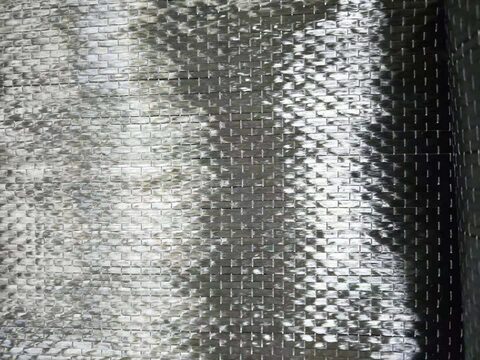
Carbon fiber reinforced polymer (CFRP) systems deliver exceptional structural strengthening, but their long-term performance depends critically on proper curing. Epoxy resins used in CFRP adhesives, saturants, and putties undergo a chemical crosslinking reaction that transforms them from liquid to solid. This reaction is temperature- and humidity-sensitive. Deviation from manufacturer-recommended conditions can lead to incomplete cure, reduced bond strength, brittle layers, or aesthetic defects. This article outlines essential guidelines for managing temperature, humidity, and time during CFRP installation.
How Temperature Affects Epoxy Curing
Epoxy curing is an exothermic process; the reaction rate accelerates with heat and slows with cold. Each epoxy system has a defined minimum, optimum, and maximum application and service temperature range, typically stated by the manufacturer. For most structural epoxies used in CFRP, the ambient and substrate temperature should remain above 50°F (10°C) during application and for at least the first 24 hours of cure. Below this threshold, the reaction slows dramatically, resulting in a tacky, undercured film that lacks mechanical strength. Conversely, high temperatures (above 95°F / 35°C) can shorten pot life excessively and cause the epoxy to gel too quickly, trapping air and preventing proper wet-out of fibers. Temperature management also involves monitoring not just air temperature but the actual laminate and substrate temperature, especially on sun-heated or cold-mass surfaces. Infrared thermometers or contact probes are recommended for spot checks.
Humidity and Moisture Considerations
Moisture is detrimental to epoxy curing in several ways. Most CFRP epoxies are formulated to cure under moderate humidity (typically below 85% relative humidity), but condensation on the substrate or on uncured epoxy is problematic. When ambient humidity is high and surface temperature approaches the dew point, moisture condenses as a thin film that interferes with adhesion. This can lead to micro-blisters in the cured resin, reduced bond strength, and hidden voids. Before application, always verify that the concrete or steel substrate is surface-dry—using a moisture meter or performing a simple plastic-sheet test per ASTM D4263. During rainy or foggy weather, avoid installation unless the work area is enclosed and controlled. For projects in high-humidity environments, some manufacturers offer moisture-tolerant primers; nevertheless, maintaining relative humidity below 85% and keeping surfaces frost-free is standard.
Curing Time: The Role of Temperature and Thickness
Curing time for CFRP systems varies widely: from a few hours at elevated temperatures to several days in cold weather. Manufacturers provide cure schedules that specify a gel time, tack-free time, and full-cure time (typically 7 days at 73°F / 23°C for many structural epoxies). Lower temperatures extend all these times. For example, at 50°F (10°C), the same epoxy may require 14 days to reach full mechanical properties. Conversely, accelerator additives or controlled heating (e.g., with insulated blankets) can reduce cure time, but only if permitted by the product’s technical data sheet. Note that laminate thickness also matters: thicker applications generate more exothermic heat, accelerating cure locally but risking thermal stress. For multi-ply CFRP systems, allow sufficient time between plies to avoid sagging or slippage, especially on vertical surfaces. Always base handling and load application (e.g., formwork removal) on measured compressive strength or Shore D hardness, not just elapsed clock time.
Best Practices for Monitoring and Documentation
Quality control during CFRP installation requires systematic recording of ambient and surface conditions. Use a data logger or manual log at intervals of every hour or as specified in the project quality plan. Record dry-bulb temperature, relative humidity, substrate temperature, and dew point. For critical applications, maintain a continuous chart. In addition, validate that the epoxy components are stored at correct temperatures before mixing—cold epoxy is viscous and harder to apply, while hot epoxy may have reduced pot life. Use small trial mixes to verify workability. Follow ACI 440.2R-17 guidance on field testing: perform pull-off adhesion tests on a mock-up panel cured under the same site conditions before proceeding with production work. If the adhesion test fails, revisit the curing environment and consider applying a test primer coupon. Documentation not only ensures traceability but also provides evidence of compliance with code requirements in case of future inspection.
Troubleshooting Common Curing Issues
Even with careful monitoring, issues can arise. Tacky or soft epoxy after 24 hours often indicates low temperature or wrong mix ratio. Remove uncured material and re-apply only after correcting temperature. Blushing—a waxy, greasy surface—results from moisture condensation during cure, especially on cool nights. Sand or grind the affected area, clean with solvent, and apply a fresh layer. Excessive exothermic heat (laminate becomes hot to the touch) may indicate too-thick a mix or the use of an accelerator in a heavy section. Cool the area with a fan; if hot spots persist, modify the stacking sequence. To prevent these problems, always adhere to the epoxy’s specified mixing and application procedures and never add thinners or accelerators without manufacturer approval.
Reliable CFRP strengthening begins with disciplined environmental control during installation. By respecting the temperature, humidity, and time guidelines provided by the epoxy manufacturer—and documenting those conditions—installers can achieve robust, durable bonds that meet design expectations. Paying close attention to curing fundamentals pays dividends in long-term structural integrity.